
You are now leaving the site
Are you sure you want to leave?
Are you sure you want to leave?
*Based on 25,062 individual patients enrolled in Amgen By
Your Side who received at least one dose of TEPEZZA from
02/05/2020 – 11/14/2025.
TED diagnosis is assumed based on initiation of TEPEZZA.
†In clinical studies of 171 patients with TED.3
All trademarks appearing herein are the property of their respective owners.
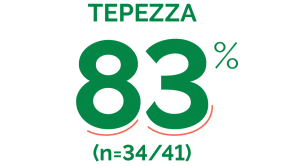
vs 10% with placebo (n=4/42) at Week 24, P<0.001 in Phase 3 clinical trial of patients with high disease activity and short duration TED.

‡Based on 25,062 individual patients enrolled in Amgen By Your Side who received at least one dose of TEPEZZA from 02/05/202 - 11/14/2025. TED diagnosis is assumed based on initiation of TEPEZZA.
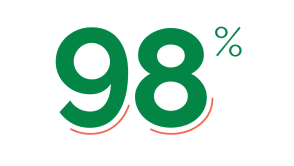
§Based on commercial plans analyzed. Individual patient access varies.

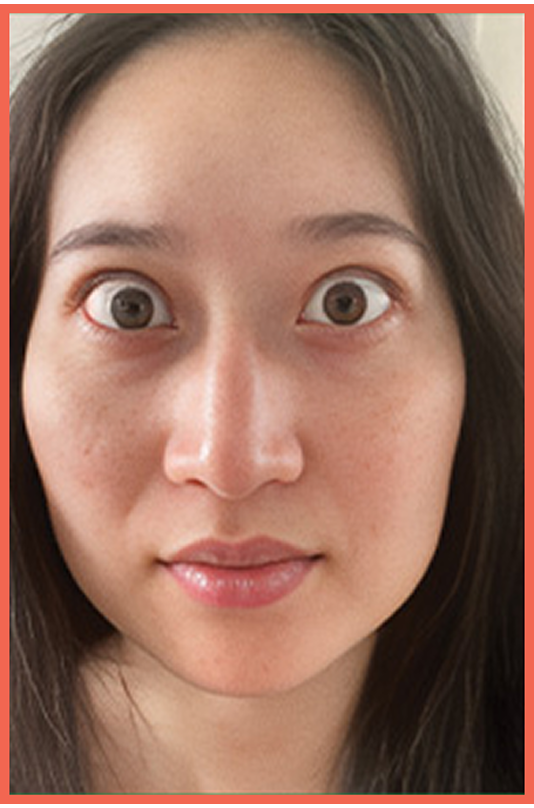
Before
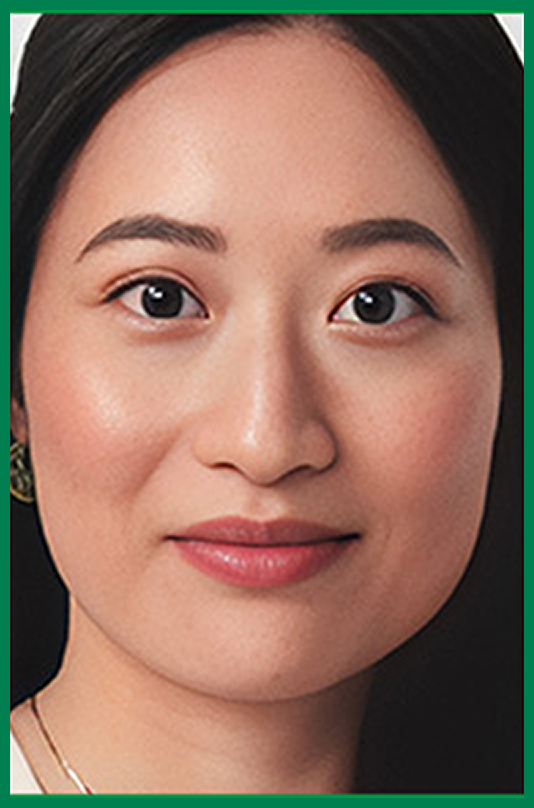
After

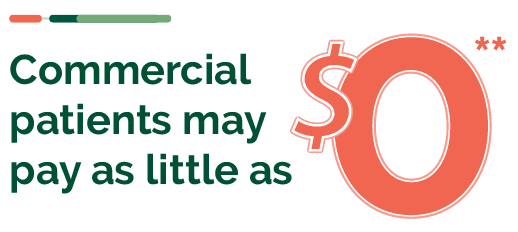
Eligible patients with commercial insurance may pay as little as $0** out-of-pocket for the cost of the medication and infusion administration
**Eligibility criteria and program maximums apply. Visit https://www.tepezzahcp.com/starting-patients for full terms and conditions. Patients who are residents of Massachusetts or Rhode Island are not eligible for administration support
TED and the role of TEPEZZA

Dr Cockerham was compensated for her time. The opinions expressed are her own.
Hi I’m Kimberly Cockerham and I’m a board-certified ophthalmologist with sub-specialty training in orbit, plastics and neuro-ophthalmology.
TEPEZZA (teprotumumab-trbw) is indicated for the treatment of Thyroid Eye Disease regardless of Thyroid Eye Disease activity or duration. TEPEZZA may cause infusion reactions. Infusion reactions may occur during an infusion or within 1.5 hours after an infusion.
Please listen to additional Important Safety Information later in this video.
Thyroid eye disease is a chronic disorder.
Prior to January of 2020 when TEPEZZA was FDA approved as the first targeted treatment for thyroid eye disease, there weren't a lot of options. It's given me another tool in my tool chest.
Because of TEPEZZA, my conversations with my patients have changed for the better. I have a patient, and she gave me a picture of herself just before the thyroid eye disease started. And then she showed me a picture of her in the midst of the disease. And then she sent me a picture just a couple of weeks after her last infusion, and her proptosis had improved, her eyes weren’t bulging, she was really looking much more like herself again, and there she was, with her son, her grandchild and just beaming.
Each patient’s thyroid eye disease journey is different, but it’s really rewarding to be part of these patient’s lives. With TEPEZZA, I can help impact that journey.
IMPORTANT SAFETY INFORMATION
Warnings and Precautions
Infusion Reactions: TEPEZZA may cause infusion reactions. Infusion reactions have been reported in approximately 4% of patients treated with TEPEZZA. Reported infusion reactions have usually been mild or moderate in severity. Signs and symptoms may include transient increases in blood pressure, feeling hot, tachycardia, dyspnea, headache, and muscular pain. Infusion reactions may occur during an infusion or within 1.5 hours after an infusion. In patients who experience an infusion reaction, consideration should be given to premedicating with an antihistamine, antipyretic, or corticosteroid and/or administering all subsequent infusions at a slower infusion rate.
Inflammatory Bowel Disease: TEPEZZA may cause an exacerbation of inflammatory bowel disease (IBD). IBD has been reported in some patients without a prior diagnosis of IBD. Monitor patients for signs and symptoms of IBD. If IBD exacerbation is suspected, discontinue use of TEPEZZA.
Hyperglycemia: Increased blood glucose or hyperglycemia may occur in patients treated with TEPEZZA. In clinical trials, 10% of patients (two-thirds of whom had preexisting diabetes or impaired glucose tolerance) experienced hyperglycemia. Hyperglycemic events should be controlled with medications for glycemic control, if necessary. Assess patients for elevated blood glucose and symptoms of hyperglycemia prior to infusion and continue to monitor while on treatment with TEPEZZA. Ensure patients with hyperglycemia or preexisting diabetes are under appropriate glycemic control before and while receiving TEPEZZA.
Hearing Impairment Including Hearing Loss: TEPEZZA may cause severe hearing impairment including hearing loss, which in some cases may be permanent. Assess patients’ hearing before, during, and after treatment with TEPEZZA and consider the benefit-risk of treatment with patients.
Adverse Reactions
The most common adverse reactions (incidence ≥5% and greater than placebo) are muscle spasm, nausea, alopecia, diarrhea, fatigue, hyperglycemia, hearing impairment, dysgeusia, headache, dry skin, ear discomfort, weight decreased, nail disorders, and menstrual disorders.
Please see Full Prescribing Information or visit TEPEZZAhcp.com for more information.
Learn more about TEPEZZA at TEPEZZAhcp.com
WARNINGS AND PRECAUTIONS
Infusion Reactions: TEPEZZA may cause infusion reactions. Infusion reactions have been reported in approximately 4% of patients treated with TEPEZZA. Reported infusion reactions have usually been mild or moderate in severity. Signs and symptoms may include transient increases in blood pressure, feeling hot, tachycardia, dyspnea, headache, and muscular pain. Infusion reactions may occur during an infusion or within 1.5 hours after an infusion. In patients who experience an infusion reaction, consideration should be given to premedicating with an antihistamine, antipyretic, or corticosteroid and/or administering all subsequent infusions at a slower infusion rate.
Inflammatory Bowel Disease: TEPEZZA may cause an exacerbation of inflammatory bowel disease (IBD). IBD has been reported in some patients without a prior diagnosis of IBD. Monitor patients for signs and symptoms of IBD. If IBD exacerbation is suspected, discontinue use of TEPEZZA.
Hyperglycemia: Increased blood glucose or hyperglycemia may occur in patients treated with TEPEZZA. In clinical trials, 10% of patients (two-thirds of whom had preexisting diabetes or impaired glucose tolerance) experienced hyperglycemia. Hyperglycemic events should be controlled with medications for glycemic control, if necessary. Assess patients for elevated blood glucose and symptoms of hyperglycemia prior to infusion and continue to monitor while on treatment with TEPEZZA. Ensure patients with hyperglycemia or preexisting diabetes are under appropriate glycemic control before and while receiving TEPEZZA.
Hearing Impairment Including Hearing Loss: TEPEZZA may cause severe hearing impairment including hearing loss, which in some cases may be permanent. Assess patients’ hearing before, during, and after treatment with TEPEZZA and consider the benefit-risk of treatment with patients.
ADVERSE REACTIONS
The most common adverse reactions (incidence ≥5% and greater than placebo) are muscle spasm, nausea, alopecia, diarrhea, fatigue, hyperglycemia, hearing impairment, dysgeusia, headache, dry skin, ear discomfort, weight decreased, nail disorders, and menstrual disorders.
INDICATION
TEPEZZA is indicated for the treatment of Thyroid Eye Disease regardless of Thyroid Eye Disease activity or duration.
Please see Full Prescribing Information for more information.
1. U.S. Food and Drug Administration. FDA approves first treatment for thyroid eye disease [Press release]. January 1, 2020. https://www.fda.gov/newsevents/press-announcements/fda-approves-first-treatment-thyroid-eye-disease. 2. Data on File. Amgen, November 2025. 3. TEPEZZA (teprotumumab-trbw) [prescribing information] Amgen. 4. Douglas RS, Couch S, Wester ST, et al. Efficacy and safety of teprotumumab in patients with thyroid eye disease of long duration and low disease activity. J Clin Endocrinol Metab. 2024;109(1):25-35. 5. Douglas RS, Kahaly GJ, Patel A, et al. Teprotumumab for the treatment of active thyroid eye disease. N Engl J Med. 2020;382(4):341-352. 6. Data on File. Amgen, September 2025.